
What AI Chatbots Can't Replace in Your Mental Health Care
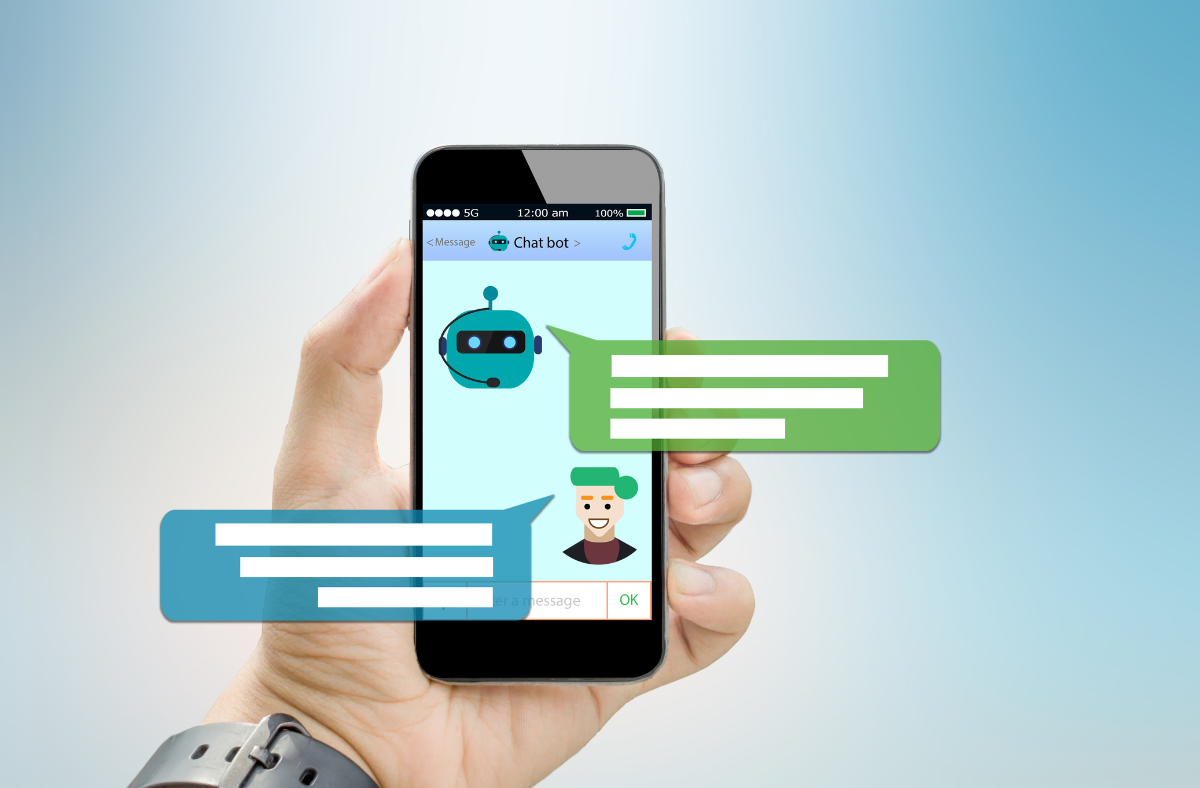
An AI chatbot will never tell you something is wrong when it matters most, because it isn't trained to recognize a crisis, only to keep the conversation going.
AI chatbots have quietly become part of a lot of people's mental health routine. Some use them to vent after a hard day. Others ask them for coping strategies at 2 a.m. for reinforcement, encouragement, or if nothing else, to hear what they want to hear. It's an understandable pull: chatbots are available instantly, they don't judge, and they cost nothing to open. But as more people bring AI into their emotional lives, it's worth understanding what these tools can actually offer and where they fall short.
Why People Are Turning to AI
Recent research from the American Psychological Association found that psychologists across the country are seeing this shift firsthand, with many patients discussing AI use openly in session. Some are using it to supplement the support they already get from a therapist, while others are leaning on it in place of professional care altogether. It's not hard to understand why. Anxiety levels have been climbing nationally, and for someone who feels overwhelmed at an inconvenient hour, an always-available chatbot can feel like the path of least resistance.
What Chatbots Can Offer
Used thoughtfully, AI tools can be helpful. They can help someone organize their thoughts before a therapy session, offer a moment of grounding during a stressful day, or provide basic information about a symptom or condition. Mood and mental health tracking apps can also be useful in a similar way, functioning like a digital diary that helps someone notice patterns in their sleep, stress, or mood over time. Bringing that record into a session can give a therapist a clearer picture of what's actually happening between appointments, rather than relying on memory alone. For people who aren't yet ready to talk to another human about what they're going through, a chatbot can sometimes serve as a first step in asking for help.
What They Can't Do
Where chatbots fall short is in effecting change, or establishing long-term strategies that hold up over time. A chatbot can offer a coping tip in the moment, but it can't build the kind of lasting toolkit someone needs to manage trauma, anxiety, or depression after the conversation ends, especially when those experiences are triggered by an unexpected stressor or a specific event that brings the old pattern back.
Real, lasting change comes from understanding why a reaction happens in the first place, not just having a script for managing it in the moment. That kind of understanding takes a relationship, not a response.
A chatbot can't read the flicker of hesitation in your voice, notice when your words say one thing but your body says another, or gently push back when you're avoiding something important. It can't build a relationship with you over time, one where trust deepens and a therapist learns the specific patterns, history, and defenses that make you, you. It also can't recognize a genuine crisis the way a trained clinician can, or make the kind of clinical judgment that keeps someone safe.
Technology as a Supplement, Not a Substitute
The healthiest way to think about AI in mental health may be as a supplement, not a substitute.
It can fill small gaps between sessions, but it isn't built to replace the accountability, attunement, and genuine human connection that make therapy work. If you've noticed yourself relying on a chatbot more than you'd like, or using it instead of reaching out for real support, that itself might be worth discussing with a human.
If you've been leaning on a chatbot instead of real support, let's talk about the why. Schedule an appointment with Resolutions Therapy Practice today by calling 859-212-3180, or CONTACT US. To learn more, we highly recommend this article by the American Psychological Association, about what psychoogists have to say about turning to AI chatbots.
Helpful Resources: